Posted on Leave a comment

Modern Cat Furniture that Looks Great in Your Living Space

floor-to-ceiling cat tree "katpole" in an aesthetic apartment, multicat household

Cats are wonderful companions, and as cat owners, we want to provide them with the best living environment possible. One way to enhance their comfort and well-being is by investing in modern cat furniture. Modern cat furniture is specifically designed to not only provide your feline friend with a comfortable place to rest but also complement the aesthetics of your living space. In this article, we will explore the definition, features, and benefits of modern cat furniture, as well as provide tips on choosing the best options for your ca

What is Modern Cat Furniture?

Modern cat furniture refers to a range of specially designed furniture pieces that are created with the needs and preferences of both cats and their owners in mind. It is characterized by its sleek and contemporary style, making it not only functional but also visually appealing. Modern cat furniture includes items such as cat trees, cat beds, scratching posts, litter boxes, and various other accessories that enhance the overall living environment for your feline companion.

Definition of modern cat furniture

Modern cat furniture is a collection of furniture pieces designed with a contemporary aesthetic and functionality that caters to the needs and preferences of cats and their owners.

Features of modern cat furniture

Modern cat furniture typically incorporates features such as sleek designs, durable materials, and intuitive functionality. It often includes elements like sisal-wrapped scratching surfaces, elevated platforms for perching, and comfortable resting areas. The furniture is usually made from high-quality materials that are built to withstand the wear and tear of a cat’s daily activities.

Benefits of using modern cat furniture

There are numerous benefits to incorporating modern cat furniture into your living space. Firstly, it provides your cat with a designated and comfortable space of their own, reducing the likelihood of them seeking out furniture or other areas in your home to scratch or sleep on. It also helps to promote their natural instinct to climb, scratch, and explore. Additionally, modern cat furniture can be visually appealing, adding a touch of style to your home decor.

Choosing the Best Modern Cat Furniture for Your Cat

When it comes to choosing the best modern cat furniture for your cat, there are several important factors to consider. These factors include your cat’s size, age, preferences, and the available space in your home. By considering these factors, you can ensure that the furniture you choose will meet both your cat’s needs and your aesthetic requirements. katpole has been designed with all these factors in mind, catering not only to the needs and aesthetics of cats but also boasting exceptional durability for long-lasting use.

Considerations when selecting modern cat furniture

One of the first considerations when selecting modern cat furniture is your cat’s size. If you have a large cat, you will need to choose furniture that can accommodate their size comfortably. Additionally, consider your cat’s age and activity level. Kittens, for example, may require furniture that allows them to climb and play, while older cats may prefer furniture that provides easy access to resting areas. Finally, evaluate the available space in your home. Measure the area where you plan to place the furniture to ensure it fits appropriately and does not overcrowd the room.

Tips for finding the right cat tree

A cat tree is an essential piece of modern cat furniture that provides cats with a place to climb, scratch, and observe their surroundings. When looking for the right cat tree, consider the stability and durability of the structure. Look for one that has a solid base and secure platforms. It is also beneficial to choose a cat tree that includes scratching posts covered in sisal, as cats are naturally drawn to this material for scratching.

Why a cat bed is essential for your feline friend

Providing your cat with a comfortable and cozy bed is essential for their overall well-being. A cat bed offers a designated space for your cat to relax and sleep. Consider choosing a cat bed that is soft, machine washable, and made from breathable materials. It is also worth noting that some cat beds are designed to provide additional features such as heating elements or raised edges for a sense of security.

Providing a Scratching Post for Your Cat

Every cat needs a scratching post to satisfy their natural instinct to scratch and keep their claws healthy. Scratching posts are designed to provide an appropriate and designated area for your cat to scratch, preventing damage to your furniture and other household items. There are several different types of scratching posts available, ranging from vertical posts to horizontal boards. The key is to select one that your cat will be inclined to use.

The importance of a scratching post

A scratching post is essential for cats because it allows them to engage in natural behaviors, such as stretching, marking territory, and maintaining their claws. By providing a scratching post, you can redirect their scratching behavior away from your furniture and onto a more suitable surface.

Different types of scratching posts

There are various types of scratching posts to choose from, including vertical posts, horizontal boards, and wall-mounted options. Vertical scratching posts are ideal for cats who prefer to scratch while standing or stretching. Horizontal boards are great for cats who enjoy scratching while lying down. Wall-mounted scratching posts save space and can be easily incorporated into your home decor.

How to train your cat to use a scratching post

Training your cat to use a scratching post can be a straightforward process. Start by placing the post in a prominent and accessible location. Encourage your cat to investigate the post by using a toy or catnip to attract their attention. Reward your cat with treats or praise when they use the scratching post, and gently redirect them if they begin to scratch inappropriately. Consistency and positive reinforcement are key to successful training.

The Importance of a Litter Box for Your Cat

A litter box is a fundamental requirement for any cat owner. It provides your cat with a designated area to urinate and defecate, maintaining a clean and hygienic living environment for both you and your pet. When choosing a litter box, there are several factors to consider, including the type of litter, size of the box, and location within your home.

Choosing the right litter box for your cat

There are various types of litter boxes available, including open trays, covered boxes, and self-cleaning options. Consider your cat’s preferences and any specific needs they may have. Some cats may prefer the privacy provided by a covered box, while others may feel more comfortable using an open tray. It is also important to choose a litter box that is large enough for your cat to move around and bury their waste comfortably.

How to prevent litter box issues

To prevent litter box issues, it is crucial to keep the litter box clean and accessible for your cat. Scoop the litter box at least once a day to remove any waste, and fully clean and replace the litter regularly. Ensure that the litter box is located in a quiet and easily accessible area of your home, away from high-traffic areas or loud noises that may deter your cat from using it.

Creative litter box enclosure ideas

If you are looking for creative ways to conceal your cat’s litter box, there are several options available. Litter box enclosures are specially designed furniture pieces that provide a hidden space for the litter box, camouflaging it within your home decor. These enclosures can be in the form of cabinets, benches, or even planters, offering a stylish solution while maintaining the necessary functionality.

FAQ

Q: What is modern cat furniture?

A: Modern cat furniture refers to specially designed furniture pieces that are created to provide comfort, entertainment, and a dedicated space for cats in your home. These pieces are designed to blend seamlessly with your home decor and offer various features like scratching posts, cat beds, perches, and more to cater to your cat’s needs.

Q: What are some common types of modern cat furniture?

A: Some common types of modern cat furniture include cat trees, cat condos, cat scratchers, cat shelves, cat houses, cat hammocks, cat perches, and cat bridges. These pieces are designed to provide cats with a dedicated space to play, rest, scratch, and exercise.

Q: What is a cat tree?

A: A cat tree is a type of modern cat furniture that typically consists of multiple levels or platforms, scratching posts, and other interactive elements. It is designed to mimic a tree-like structure and provides cats with a vertical space to climb, play, and rest.

Q: What is a cat condo?

A: A cat condo is a piece of modern cat furniture that offers multiple levels or compartments for cats to explore, sleep, and hide in. It is usually taller and more enclosed than a cat tree, providing cats with a cozy and private space.

Q: What is a cat scratcher?

A: A cat scratcher is a piece of modern cat furniture specifically designed to fulfill a cat’s natural instinct to scratch. It usually consists of a scratchable surface, often made of sisal or carpet, and helps cats keep their claws healthy and sharp while protecting your furniture.

Q: What is a cat scratching post?

A: A cat scratching post is a vertical post, often covered in sisal or carpet, that provides cats with a designated surface for scratching. It helps cats satisfy their scratching needs, promotes healthy claw maintenance, and prevents them from scratching your furniture.

Q: What is cat wall furniture?

A: Cat wall furniture refers to modern cat furniture pieces that are designed to be mounted on walls. These pieces typically include perches, shelves, steps, or even entire climbing systems that allow cats to explore and utilize vertical spaces in your home.

Q: Why is wood often used in modern cat furniture?

A: Wood is often used in modern cat furniture for its durability, stability, and aesthetic appeal. It provides a natural, warm look that can seamlessly blend with various home decor styles. Additionally, wood is a sturdy material that can withstand the weight and activity of cats.

Q: What is a cat litter box enclosure?

A: A cat litter box enclosure is a piece of modern cat furniture designed to discreetly hide the litter box. It typically features a stylish cabinet-like design that incorporates spaces for the litter box and often includes doors or panels to keep the litter box out of sight.

Q: Are modern cat furniture pieces suitable for large cats?

A: Yes, many modern cat furniture pieces are designed to accommodate large cats. These pieces are typically sturdily built with wide platforms, strong materials, and spacious dimensions to provide ample space and support for larger feline friends.

Modern Cat Furniture Ideas for Your Home

Modern cat furniture offers a wide range of options to enhance your home environment and meet your cat’s needs. From wall-mounted cat furniture to cat shelves and perches, there are various innovative solutions to maximize vertical space and create a stimulating environment for your furry friend.

Wall mounted cat furniture: a space-saving solution

Wall-mounted cat furniture is an excellent space-saving solution that allows you to utilize vertical wall space for your cat’s needs. These furniture pieces can include wall-mounted beds, perches, shelving units, or even walkways. They not only provide your cat with an elevated space to relax and observe but also add an interesting visual element to your home decor.

Cat shelves and perches: creating vertical space

Cat shelves and perches are designed to create additional vertical space for your cat to explore. They can be mounted on walls or placed on existing furniture, providing your cat with elevated areas to climb, rest, and observe their surroundings. Cat shelves and perches are available in various shapes, sizes, and materials, allowing you to find the perfect fit for your home and your

Posted on Leave a comment

The Charms of Istanbul in Feline Company

cat sleeping on the lap of a banjo player in Istanbul, turkey

With a rich history and a harmonious blend of Eastern and Western cultures, Istanbul is a stunning city that captivates travelers from across the globe. However, this city offers more than just its architectural and cultural wonders – it provides a unique opportunity to experience the enchanting relationship between cats and urban life. Explore the alleys and streets of Istanbul to discover a city that embraces its feline residents, creating a beautiful fusion between the two.

터키고양이1
a stray cat on a street in istanbul, turkey

Istanbul’s allure is unparalleled. The juxtaposition of ancient landmarks with modern skyscrapers and the fusion of diverse cultures and cuisines create an enticing atmosphere that draws visitors in. Yet, within this captivating tapestry, lies a lesser-known facet of Istanbul’s charm – its harmonious coexistence with its feline inhabitants.

Cats can be found throughout the city, adding an unexpected touch of whimsy to its corners. Whether it’s a cat playfully exploring a narrow alley, lazily napping in front of a shop, or frolicking in a park, these feline denizens seamlessly integrate into Istanbul’s landscape, enhancing its beauty and character.

이스탄불 고양이

However, Istanbul’s affinity for cats goes beyond mere encounters. Throughout the city, you’ll encounter small shelters and feeding stations thoughtfully placed to ensure the well-being of these four-legged companions. This commitment from the local community creates an inviting environment for cats, allowing them to thrive comfortably and healthily.

Meeting Istanbul’s cats isn’t just a chance encounter – it’s a moment of connection. As you wander the streets, take a moment to appreciate the unique personalities of these feline friends. Their presence offers a pause from the city’s hustle and bustle, providing a serene and heartwarming experience.

While Istanbul’s inherent charm is undeniable, its integration with its feline residents elevates its appeal to new heights. Each encounter with a cat weaves a special thread into the tapestry of your travel memories. Embrace the magic of Istanbul’s cat-friendly disposition as you navigate the city, discovering the delightful synergy between its vibrant urban landscape and the endearing world of cats.

Posted on Leave a comment

The Enchanting World of Cats in Art

Salvador Dali clocks painting but with melting orange tabby cats

Throughout art history, a plethora of subjects and themes have been explored by artists. Among them, animals have often taken center stage, with cats being a recurring favorite due to their charming demeanor and mysterious nature. In this blog post, we will delve into the captivating realm of art featuring cats, highlighting renowned works and artists who have masterfully captured the essence of these enigmatic creatures.

François Boucher’s Mythical Felines

francois boucher a girl reading with a cat beside her

18th-century French artist François Boucher frequently incorporated mythological elements into his paintings, creating captivating narratives. His works often feature cats in mythical contexts, adding an extra layer of intrigue to his compositions. By weaving feline presence into these mythic scenes, Boucher skillfully evokes a sense of wonder and mystery that only cats can inspire.

Henriette Ronner-Knip’s Domestic Bliss

Henrie CC 88tte Ronner Knip Katjesspel original original

Henriette Ronner-Knip, a 19th-century Dutch female painter, specialized in portraying animals, with cats being a prominent subject of her work. Her paintings often depict domestic scenes and the close relationship between cats and humans. With a refined style, Ronner-Knip captures various expressions and postures of cats, revealing their charming interactions within the domestic sphere.

Louis William Wain

louise

Louis William Wain(5 August 1860 – 4 July 1939) was an English artist renowned for his distinctive illustrations that often depicted anthropomorphized cats and kittens with large, expressive eyes. His charming and whimsical artworks have left an indelible mark on the world of art and cat enthusiasts alike.Wain’s unique style emerged in the late 19th and early 20th centuries, capturing the hearts of many with his imaginative portrayal of feline characters. His work is characterized by its playful yet intricate details, as well as the endearing personalities he infused into his cat subjects.Despite his initial fame for lighthearted and cheerful cat illustrations, Wain’s life took a poignant turn as he faced personal challenges. He continued to produce art even during difficult times, and his evolving style reflected his changing circumstances.

Louis Wain’s contributions to art extended beyond his charming cat drawings. He was a pioneer in the field of animal caricature, and his influence can be seen in subsequent generations of artists who embraced similar themes and techniques. Wain’s legacy continues to inspire cat lovers, artists, and enthusiasts of all kinds to this day.

Whether portraying mischievous kittens or regal cats, Wain’s ability to capture the essence of his subjects in a whimsical and endearing manner has solidified his place in art history. His anthropomorphic cat artworks have brought joy and smiles to countless individuals and continue to do so as his legacy lives on.

Fernando Botero

Gato Botero original original

The Colombian creator has produced an array of artworks, both paintings and sculptures, depicting felines using his distinctive voluminous approach. Over time, his sculptures have faced challenges: from the numerous relocations of his Barcelona cat statue to the enigmatic vanishing of whiskers on another sculpture in Colombia. These massive cat sculptures weigh at minimum one ton each and are also situated in locations such as Armenia and New York. In his earlier paintings, cats frequently appear alongside various items within portraits or domestic settings.

Andy Warhol

warhol original original


Warhol spent his formative years in a household teeming with feline companions, boasting an impressive tally of over 25 cats at a single juncture. In 1954, he unveiled a personally crafted book of hand-colored lithographs, featuring the elegant calligraphy of his mother, Julia. Their creative collaboration extended to another publication, a joint effort chronicling the captivating escapades of cats in an idyllic paradise. This video presentation offers a captivating glimpse into the pages of the pop art trailblazer’s book and his enduring enchantment with these enigmatic creatures.

In the world of art, cats have inspired creativity, emotion, and fascination for centuries. From classical masterpieces to contemporary expressions, artists continue to capture the essence of cats, conveying their allure and mystique through strokes of paint and moments frozen in time. These artists and their works stand as a testament to the timeless connection between humans and these enigmatic, beloved companions.

Posted on Leave a comment

Caring for Different Types of Cat Coats: Short-Haired, Long-Haired, Curly, and Hairless

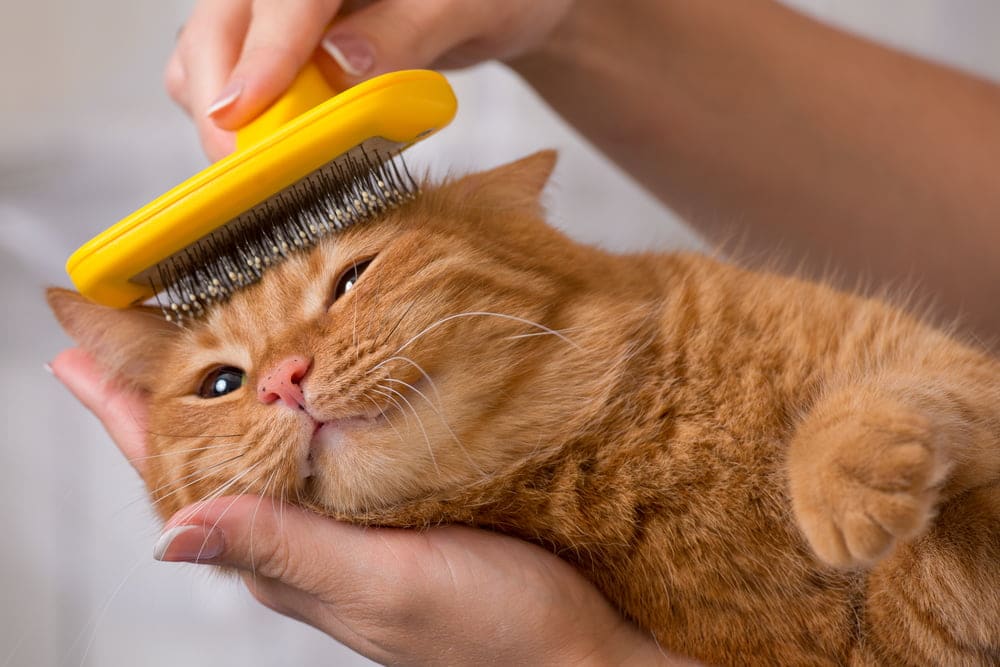
orange tabby having his head brushed or combed

Cats come in a remarkable variety of coat types, each requiring its own unique care routine. In this blog post, we’ll explore the specific care needs for different types of cat coats, including short-haired, long-haired, curly, and hairless varieties, to ensure your feline friend’s comfort and well-being.

Short-Haired Cats: Sleek and Low-Maintenance

단모아비시

    Short-haired cats, like the Siamese or the Abyssinian, boast a sleek and shiny coat. Regular grooming, such as weekly brushing, helps remove loose hair and minimizes shedding.
    Although they require less brushing, don’t skip bonding time with your short-haired companion. Use this opportunity to check for any skin irregularities, pests, or sensitivities.

    메인쿤 1

    Long-Haired Cats: Elegance and Regular Maintenance

      Long-haired breeds like the Persian or Maine Coon possess stunning, luxurious coats. To prevent matting, daily grooming is essential, using a comb or brush designed for long hair.
      Special attention should be given to the fur around sensitive areas, such as the armpits and belly. Regular bathing and careful drying help maintain the coat’s health and shine.

      곱슬고양

      Curly-Coated Cats: Unique Texture and Care

        Curly-coated breeds, exemplified by the Selkirk Rex, exhibit distinctive curls. Their coat requires occasional brushing to prevent tangling and matting, particularly in the curls’ crevices.
        These cats may benefit from a high-quality, moisturizing shampoo to enhance the texture of their coat. Regular grooming sessions also help distribute natural oils for a healthy appearance.

        스핑크스 1

        Hairless Cats: Special Attention for Skin Health

          Hairless breeds, including the Sphynx, require diligent skincare. Due to their lack of fur, they are more vulnerable to temperature changes and UV exposure.
          Regular baths, usually once a week, help manage the accumulation of oils on their skin. Moisturizers recommended by your veterinarian can maintain their skin’s suppleness and protect it from dryness.
          Conclusion:
          Each type of cat coat comes with its own set of care requirements. Understanding and tending to the unique needs of short-haired, long-haired, curly-coated, and hairless cats not only ensures their physical well-being but also strengthens the bond between you and your feline companion. By tailoring your grooming routine to your cat’s specific coat type, you’re providing them with the love and attention they deserve.


          Posted on Leave a comment

          Cats and Humans, The Allure of a Unique Partnership

          pallas and the cat

          Cats have been cherished companions to humans for ages, bringing joy, solace, and even therapeutic effects to our lives. In this blog post, we will explore the distinct bond between cats and humans, delving into the myriad ways they enhance our lives.

          1. Stress Relief and Serenity:
            Spending time with cats has a remarkable ability to alleviate stress and bring inner peace. Research indicates that interacting with cats, such as playing or petting, can reduce the secretion of stress hormone cortisol, thus promoting emotional well-being and tranquility.
          2. The Therapeutic Power of Cats:
            Cats possess a unique therapeutic prowess. Therapy cats in hospitals and care homes offer comfort to patients, contributing to emotional stabilization during challenging times. Such therapeutic interactions highlight the positive impact cats can have on our mental health.
          3. Fostering a Healthy Routine with Cats:
            Caring for cats instills healthy habits in our daily routines. Regular playtime with cats promotes physical activity, while structured feeding schedules establish disciplined patterns. These habits contribute to an overall healthier lifestyle.
          4. Companionship and Connection:
            Cats possess an uncanny ability to perceive human emotions, forging a connection that transcends words. The unique bond between humans and cats forms an emotional connection that soothes loneliness and provides invaluable companionship.


          The relationship between cats and humans weaves a tapestry of emotional companionship, therapeutic influences, and healthy routines. As we continue to unravel the depths of this bond, we uncover a world where cats enrich our lives, offering solace, joy, and meaning beyond measure.

          Posted on Leave a comment

          Decoding the Mysterious Language of Cats

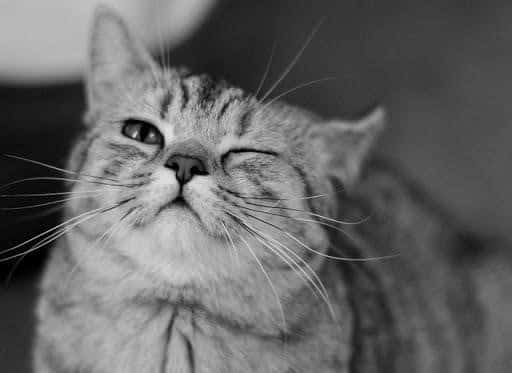
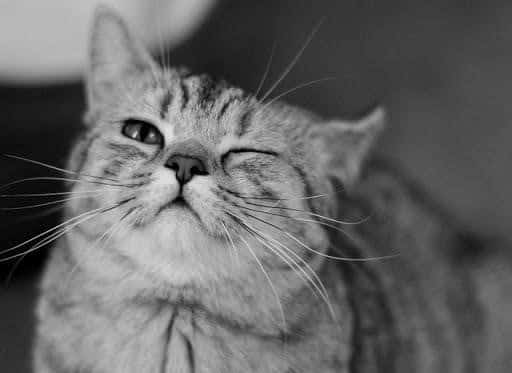
          Black and white close-up of a tabby cat winking with one eye closed and a content expression on its face.

          Cats have fascinated humans for centuries with their enigmatic behaviors and mysterious ways of communication. While we might not be able to have a verbal conversation with our feline friends, understanding their language can deepen the bond between us and provide insights into their thoughts and feelings.

          고양이 꼬리언어 3

          Tail Talk
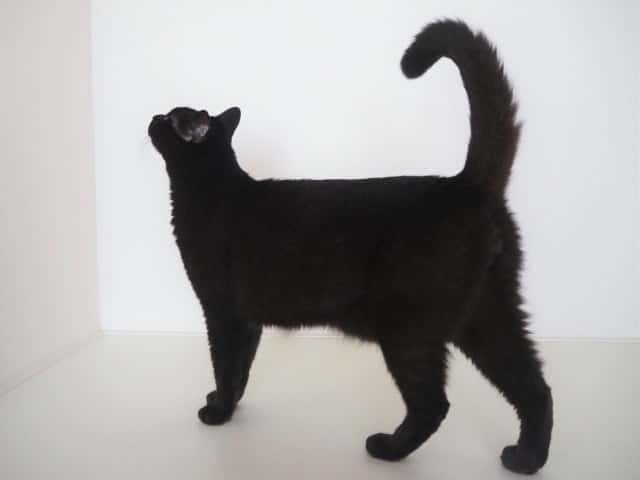
          One of the most expressive parts of a cat’s body is its tail. A cat’s tail can communicate a range of emotions. A straight-up tail indicates confidence and happiness, while a puffed-up tail signals fear or agitation. A gently swaying tail usually signifies a content and relaxed cat, while a rapidly flicking tail may show annoyance.

          Ear Expressions
          Paying attention to a cat’s ears can also give us valuable insights into their mood. Forward-facing ears suggest curiosity and interest, while flattened ears indicate fear or aggression. If a cat’s ears are twitching, they might be on alert, possibly sensing something we can’t.

          Vocal Clues
          Cats are known for their various vocalizations, from purring to meowing and even chirping. A soft purr often indicates contentment, while a high-pitched meow might be a request for attention or food. Cats also use different meow sounds when communicating with humans versus other cats.

          고양이 눈키스 1

          Eye Contact
          A cat’s eyes can reveal a lot about their feelings. Slow blinking is often interpreted as a sign of trust and affection. Staring without blinking might be seen as a challenge or a declaration of territory.

          Body Language
          The way a cat positions its body can convey messages too. Crouching low with a puffed-up tail might mean they’re scared, while rolling over and exposing their belly could show they trust you. Kneading (making biscuits) is a sign of comfort, often associated with kittenhood.

          While deciphering cat language might not be as straightforward as understanding human speech, it’s a rewarding journey that can enhance the bond between you and your feline companion. Paying attention to their tails, ears, vocalizations, eyes, and body language can give you valuable insights into their emotions and help you respond in a way that strengthens your connection.

          Remember, each cat is unique, so taking the time to observe and learn your cat’s individual language will make your relationship even more special.

          Posted on Leave a comment

          The History and Culture of Cats: Longstanding Companions of Humanity

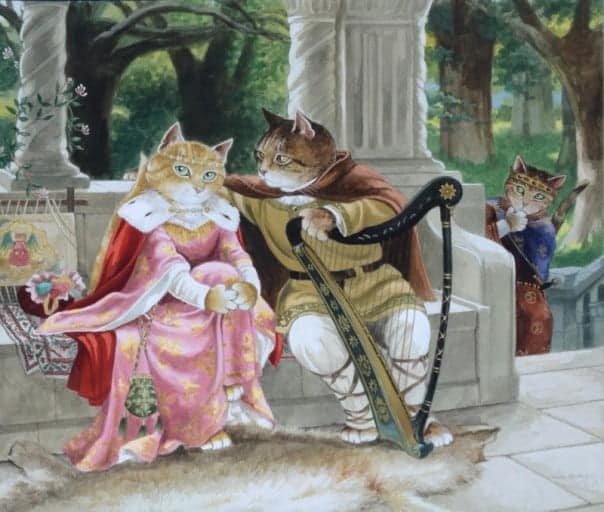
          Illustration of three anthropomorphic cats in a medieval setting: a female cat in a pink dress and crown, a male cat in a tunic playing a harp, and another cat in blue peeking from behind a column, surrounded by greenery and stone structures.

          Cats have been cherished companions of humans for thousands of years, playing fascinating roles in history and culture. Across diverse societies, cats are often revered as symbols of mystery and delight, possessing a unique allure and functionality that has inspired humanity for ages.

          바스테트

          From Ancient Times to Modern Eras
          The bond between cats and humans reaches back millennia. In ancient Egyptian culture, cats held a sacred status and were even associated with the goddess Bastet. Egyptians kept cats as protectors against pests, valuing their ability to control vermin and pests around homes and granaries.

          Similarly, in Roman and Greek civilizations, cats were integrated into daily life, helping to manage rat populations. While medieval Europe saw some negative associations between cats and witchcraft, they were also recognized for their role in keeping homes and farms free of rodents.

          일본네코

          Cultural Symbols and Mystique
          Cats have held symbolic significance in numerous cultures. In Japan, the word “neko” is considered a symbol of luck and fortune. In Zoroastrian mythology, cats were believed to maintain balance in the world.

          Culturally, cats often symbolize mystery and intrigue. Their agility and nocturnal behavior enhance their enigmatic image. The black cat, in particular, has been intertwined with folklore and superstitions.

          Cats in Modern Culture
          Cats continue to captivate people in contemporary society. The rise of the internet has popularized cat videos and photos worldwide, and cat-related products are in high demand. Beyond that, cats are recognized as stress-relievers and therapeutic companions.
          Cats hold an irreplaceable place in human history and culture. Their mystique and charm have garnered attention and affection across generations, leaving an enduring impact. As we spend time with cats, we gain a deeper understanding and appreciation for their unique allure and historical significance. They continue to enrich our lives and inspire us in countless ways.

          Posted on Leave a comment

          Bringing a Cat Home: 10 Important Considerations Before Adoption

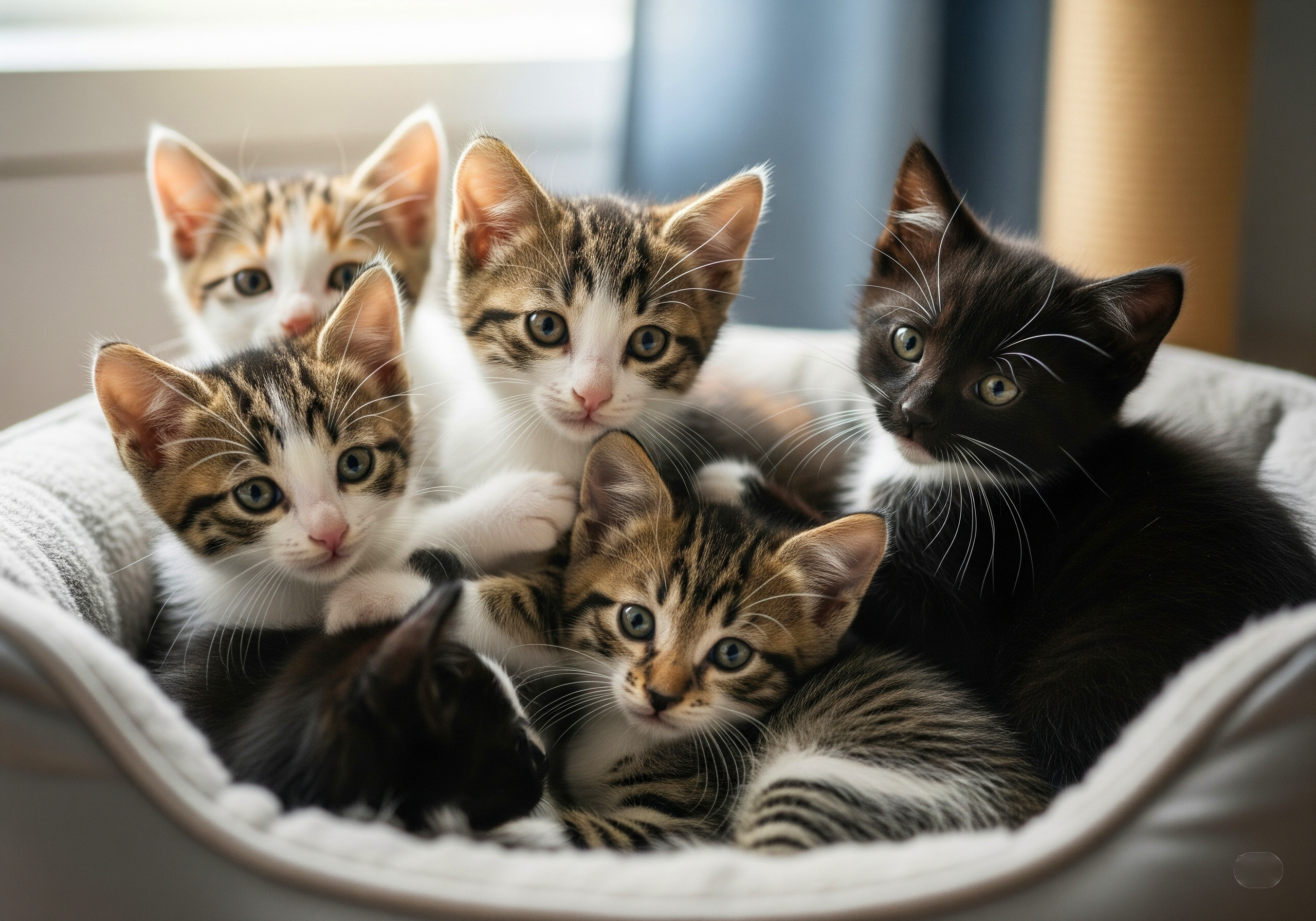
          litter of kittens for adoption

          Welcoming a feline friend into your home is a decision that comes with responsibility and joy. Cats are wonderful companions, but before you bring one into your family, there are several crucial factors to consider. Ensuring a harmonious and happy life for both you and your new furry companion begins with thoughtful preparation.

          1. Time and Attention
            Cats thrive on human interaction. From playtime to cuddles, they require your time and attention. Be prepared to invest in daily care and companionship, enriching both their lives and yours.
          2. Space:
            Create a safe and comfortable environment for your cat. Designate areas for play, rest, and exploration. A cozy cat bed, scratching posts, and interactive toys can transform your space into a feline paradise.
          3. Financial Planning
            Owning a cat involves financial commitments. Beyond the basics like food, water, and litter, budget for regular veterinary check-ups, vaccinations, and potential medical needs.
          4. Litter Box Care
            Litter box maintenance is essential for your cat’s well-being. Regularly clean and change the litter to ensure a hygienic and inviting space for them.
          5. Healthcare Routine
            Prioritize your cat’s health with routine veterinary visits, vaccinations, and preventative measures against parasites and fleas. This proactive approach ensures a happy and healthy life.
          6. Long-Term Commitment
            Cats often live well into their teens or even early twenties. Consider the long-term commitment and prepare for a lifelong journey of companionship and care.
          7. Interaction with Other Pets
            If you have other pets, introduce them gradually and ensure a harmonious relationship between your new cat and existing companions.
          8. Allergies and Sensitivities
            Be mindful of potential allergies within your household. Consult with family members and consider allergy-friendly measures if needed.
          9. Extended Absences
            Plan for your cat’s care during periods of travel or extended absences. Reliable cat-sitters or boarding facilities can provide peace of mind.
          10. Adoption Consideration
            Adopting from animal shelters or rescues is a noble choice. It gives a loving home to a cat in need and sets an example for responsible pet ownership.

          Bringing a cat into your home is a rewarding experience, full of companionship and joy. By carefully considering these factors and making informed decisions, you’ll be well-prepared to provide a loving and nurturing home for your new feline friend. Your efforts will be rewarded with a lifetime of shared memories and heartwarming moments.

          Posted on Leave a comment

          Why do Cats like Strings?

          Playful group of orange and tabby kittens tangled in blue and red yarn, interacting with balls of yarn in a whimsical illustration for cat enthusiasts.

          Among small objects and toys, cats have a distinct fascination with strings. The sight of a cat getting animated and playful upon spotting a string is undeniably adorable and enjoyable. However, it’s important to be mindful of the potential risks associated with this affinity for strings. In this article, we will delve into the reasons behind cats’ fondness for strings and explore precautionary steps to ensure their safety.

          고양이 끈

          1.Instinctual Hunting Behavior: One of the reasons cats are drawn to strings is linked to their hunting instinct. Cats possess a powerful inclination to pursue objects resembling strings during their hunting activities. The presence of a string triggers associations with prey, activating their innate hunting instinct and transforming it into a source of play and exploration. Consequently, when a cat spots a string, it becomes enthused and engages in playful behavior.

          2.Stimulation of Instinct and Distinctive Behavior: Cats are drawn to specific shapes and pendulum-like motions of strings. This is due to the string’s inherent ability to captivate their visual focus, and the swinging action mirrors the movements associated with their hunting instincts.

          A cat’s fondness for strings may seem charming and pleasurable, but it can also present potential dangers. Once playtime is done, make certain the string is stored beyond your cat’s grasp. Strings, if consumed by cats, can result in digestive issues. In extreme cases, surgical intervention may be necessary to remove a swallowed string. This underscores the significance of securely safeguarding your beloved feline companions from such risks.

          Posted on Leave a comment

          Top 5 Friendliest Cat Breeds

          friendly cat

          Per TICA (The International Cat Association), certain cat breeds exhibit a somewhat more dog-like behaviour than others. Let’s explore the top 5 friendliest cat breeds.

          1. Scottish Fold

          스코티쉬폴드

          The Scottish Fold’s trademark round face and folded ears are cuteness itself. His personality is also full of love. He likes to interact with people, and most of them have a soft personality. They are adaptable and get along well with other animals and kids.

          2. Ragdoll

          랙돌

          The name originates from the cat’s tendency to go limp like a ragdoll when picked up. True to its name, this breed possesses a gentle and tranquil temperament. It’s not inclined to be noisy and readily adjusts to any surroundings.

          Ragdolls have a genetic predisposition to hypertrophic cardiomyopathy, a condition characterized by the thickening of the left ventricle muscle.When raising a breed with a heightened risk of genetic ailments like this, it becomes essential to diligently monitor the body for any potential issues through regular health checkups.

          3. Maine Coon

          메인쿤

          Described as “dog-like” by the Cat Fanciers’ Association (CFA), Maine Coons are both gentle giants and renowned mouse catchers, not to mention intelligent enough to be trained to respond to basic commands.

          Don’t be surprised to find your Maine Coon invading your privacy though, they will follow you on trips to the bathroom (unlike most cat breeds, they love playing in water) and might even try to walk out the front door with you (although they are best kept as indoor cats). As one of the most affectionate cats, adorable little chirps called “trills” will be a satisfying accompaniment to your cuddles and strokes.

          The Maine Coon is not only charming but also impressively large in size. To cater to its weight, we suggest providing sturdy cat pole, vertical play spaces, and shelters. As the largest and heaviest cat breed, the Maine Coon possesses the ability to engage in robust play and exercise without compromising stability.

          The three most common inherited diseases in Maine coon cats are a type of heart disease called hypertrophic cardiomyopathy (HCM), hip dysplasia and spinal muscular atrophy (SMA).

          4. Birman

          버만

          He possesses a gentle and sociable disposition, enjoying human company and displaying adeptness in following their lead. Their demeanor is characterized by a calm and reserved nature, leading them to engage in quiet interactions with both humans and other animals. This serene temperament is also reflected in their soft vocalizations.

          Birmans form strong bonds and exhibit a significant reliance on their owners, making them an ideal choice if you have a consistent presence at home.

          It’s worth noting that Birmans are prone to corneal detachment, a condition frequently attributed to keratitis that results in a segment of the eye’s surface becoming dislodged.

          5. Sphynx

          스핑크스

          Renowned for its hairless appearance, the Sphynx cat possesses a tender and captivating personality that stands in contrast to its unconventional look.

          These felines have a propensity for shadowing their owners and establishing amicable relationships with other animals. They exhibit inquisitiveness and an energetic nature.

          Due to its minimal short and velvety fur, the Sphynx cat lacks the protective insulation of a traditional coat, rendering it susceptible to both heat and cold, as well as various skin conditions.

          Up until now, we’ve explored notable affectionate cat breeds and their genetic attributes. Acquiring this knowledge prior to welcoming a cat into your household is advantageous. The greater your understanding, the deeper your connection with them will be. Thank you for exploring and learning!